History of Photography
History of Photography Trois
02/07/09 12:26
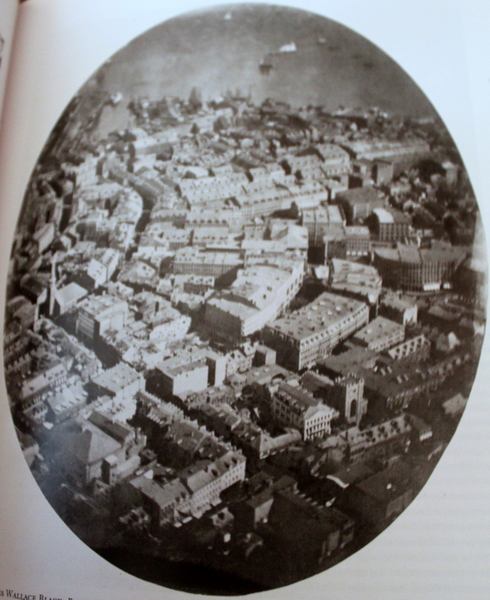
This photograph was interesting because it captures the geometric qualities of the city, with the lines radiating outwards from the center like the rays of the sun, and the distribution of light reinforces this notion.
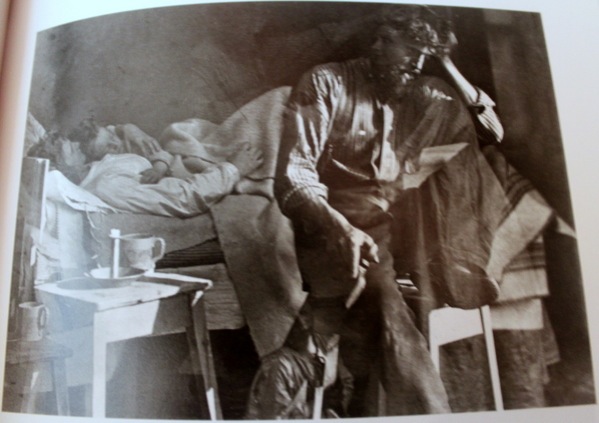
The idea of taking a double exposure to produce a “ghost” image is very interesting to me, because it is like an early version of photoshop. It also allows studio photography to have some legitimacy as an art form, because even though it is not something happening in the real world, the photographer is still using the unique abilities of the camera to produce an image.

I picked this photograph because it reminds me of Lily’s Jus de Fruits picture. They are both still life’s, but this photograph has to rely on a contrived and excessive display to create the idea of life and vibrance, which Lily’s photograph accomplishes through its use of color.

This photograph is interesting to me because it is an example of a common and hilarious trend in photography. When people came to accept that the photograph could capture more than the naked eye some people also assumed it could capture the supernatural. Even though this is a staged photograph, there are many historical examples of photographers using double exposures to trick the public into believing there were really ghosts in the photo.

This photograph represents the early use of scientific photography. Before the advent of photography there was a debate about whether or not a horse lifted all four legs off the ground while running. The increasingly advanced photographic technologies used by Muybridge in this photo allowed scientists to answer this age old question once and for all.
0 Comments
5 More Historic Pictures
25/06/09 14:46
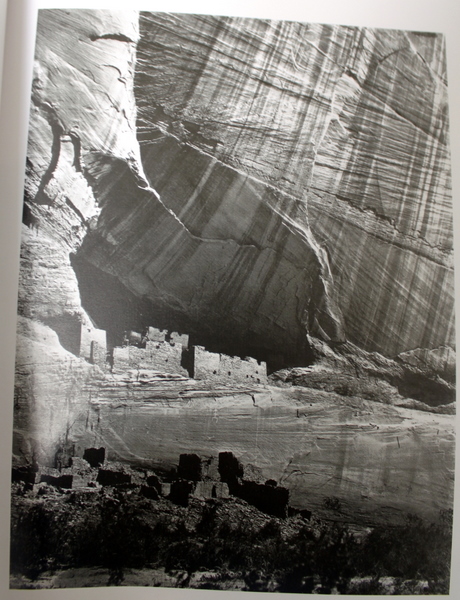
In my other photo class I learned that this is one of the most famous landscape photographs ever taken. This photo was taken by Timothy O’Sullivan, but several other famous photographers went back after him to try to retake this photo, including Ansel Adams.
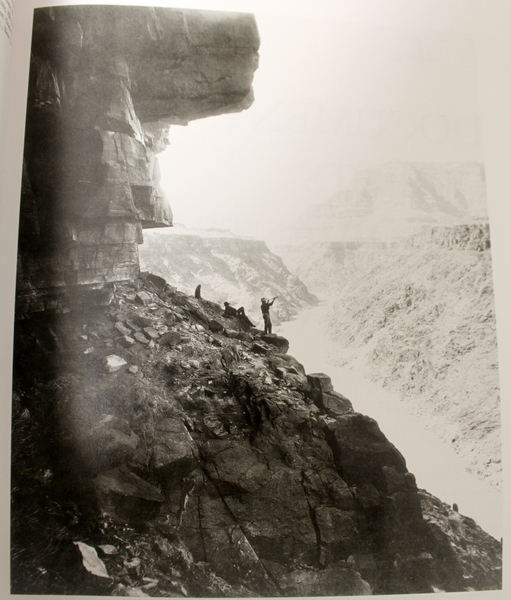
This photograph shows the huge difference in size between the wilderness and the explorers. The fading mountains in the distance make the landscape seem endless. The photograph expresses the idea of adventurers setting off into the unknown, and the vast emptiness reinforces the idea of Manifest Destiny.
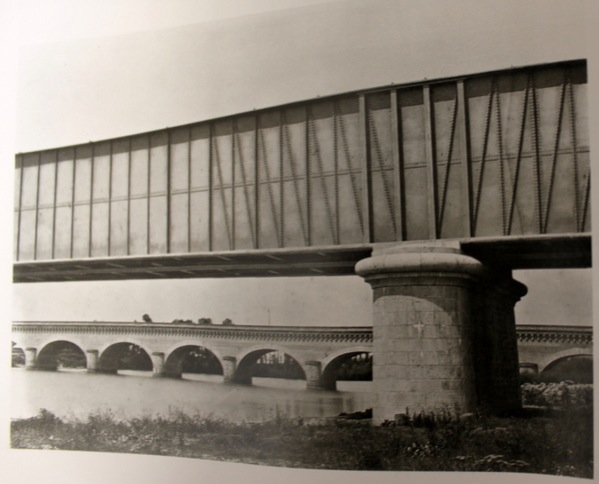
The two bridges here represent the old and the new, the train bridge hanging above the other bridge, showing the unstoppable tide of progress.

This photo has a similar idea to the bridge photo. The focus of the photograph is clearly on the railroad work in the foreground, even though there is a beautiful landscape in the background. This represents the taming of the uncharted wilderness with technology.

This photograph is interesting to me because it is a studio portrait but the photographer did a really good job creating the illusion of a rainstorm. The wind’s effect is evident throughout the photograph, but despite the strong winds and rain the woman seems strangely calm.
The World History of Photography in Five Photographs
17/06/09 18:52
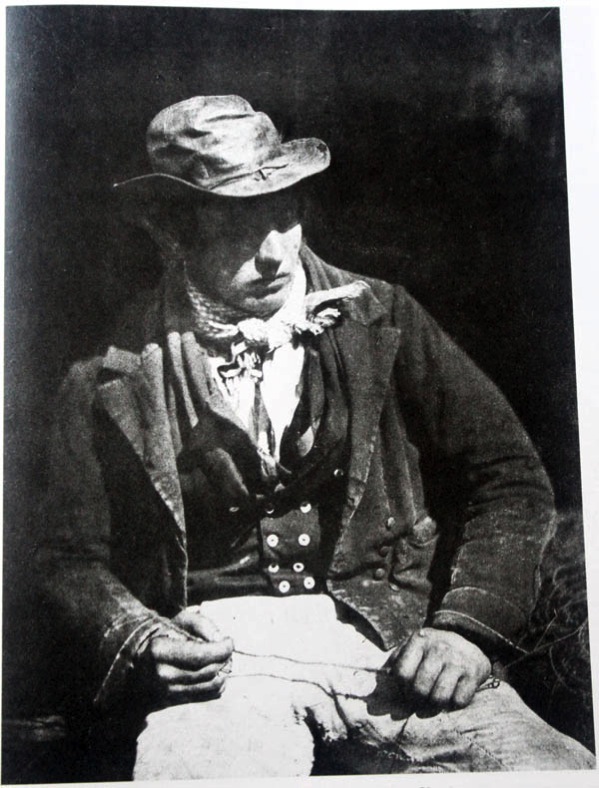
This is a very unique portrait photograph because it contains none of the elements of studio portraiture. It relies on the available natural light, which cuts off the fisherman’s face, leaving him essentially faceless. In addition, the piece of twine he is running through his fingers is markedly different from the intense stillness of early Daguerreotype portraits. His general appearance is one of a fisherman taking a short break before getting back to work. He stands as a representation of the general populace, in contrast to the wealthy bourgeois for whom most early portraits were made.

This photograph drew my attention because of its remarkable similarity to a sketch, explaining Talbot’s frequent comparisons between photography and drawing. The overall lack of precise detail, a by-product of Talbot’s paper method, gives the impression of a of a rough sketch rather than a the work of a camera that we would recognize today. This lack of detail highlights its inferiority to the Daguerreotype, and helps explain its lesser popularity.
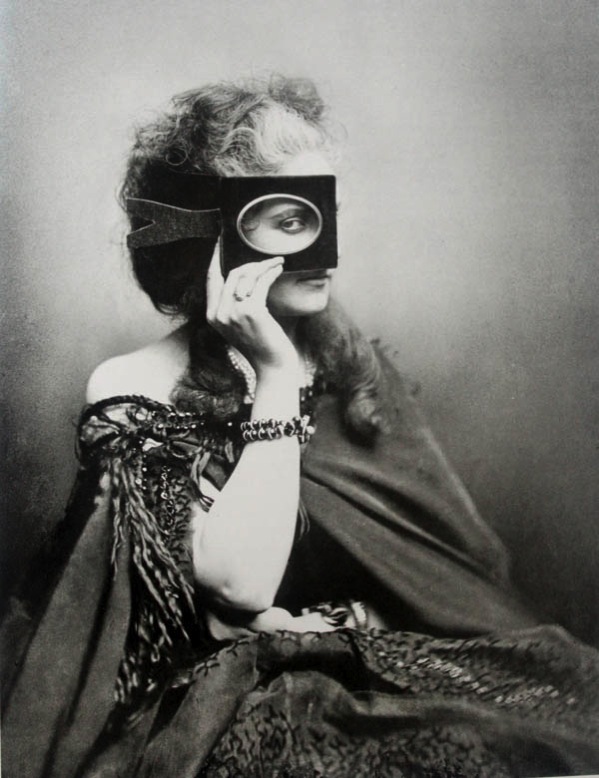
Countess Castiglone’s portrait is highly emblematic of her unique position in society. The picture frame acts as a mask which makes her at once seductive and mysterious. As Napoleon’s mistress, and a rumored Italian spy, this depiction suits her perfectly. The mask obscures her face, making it impossible to truly identify her, and showing that even when having her picture taken she may have something to hide.

Nature photographs and portraits are conventionally kept separate in art photography; for fear that they detract from each other. This photograph, however, uses the addition of the man in a rowboat to give itself a unique quality, one of exploration. The man is completely alone in the midst of this astounding geology, seemly fascinated by one of the rock formations. His reflection is as perfectly still as the reflection of the rocks and trees. The stillness necessary for the photograph creates a feeling of harmony between the man in the boat and the nature surrounding him.
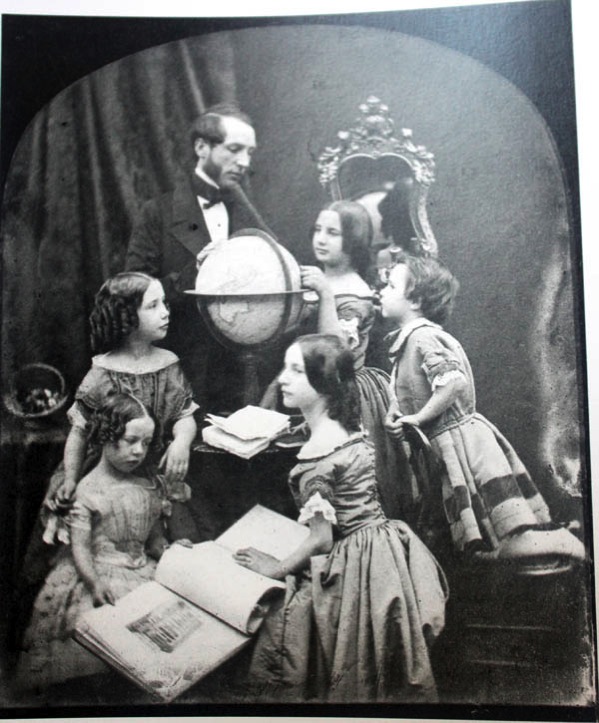
At the time this picture was taken the subject still had to remain completely still for an extended period of time in order or else ruin the photograph. Thus, portraits of this type which turned out as intended were probably very much in the minority. While keeping the subjects frozen completely still, this picture still creates the illusion of life, with the schoolchildren are facing in all directions, as children are prone to do.